The second season of One Hundred Years of Solitude once again puts Colombia in the spotlight of international studios and producers. The production demonstrates the country's capacity to execute large-scale audiovisual projects, thanks to the strengthening of its talent, service companies, and incentives such as the Transferable Tax Credit (CINA).
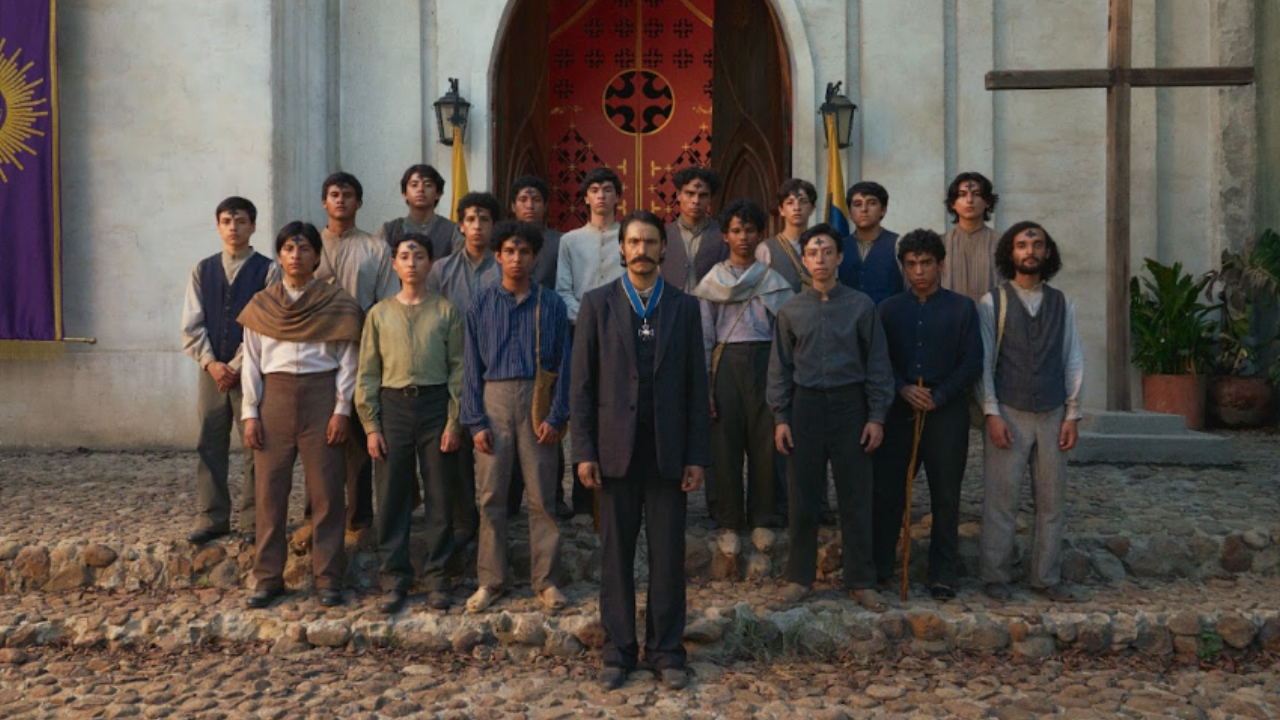
When the first season of One Hundred Years of Solitude arrived on Netflix, Colombia proved it could take on one of the most ambitious audiovisual challenges in its history. In this sense, this August 5th marks the beginning of the conclusion of the adaptation of Gabriel García Márquez's work, directed by Laura Mora and Carlos Moreno, produced by Dynamo and filmed on location in the departments of Magdalena, Boyacá, Cundinamarca, and Tolima. The second part, starring Marleyda Soto, Claudio Cataño, María Adelaida Puerta, Martha Karina Hurtado, and Obeida Benavides, will conclude on August 26th with the premiere of its final episode.
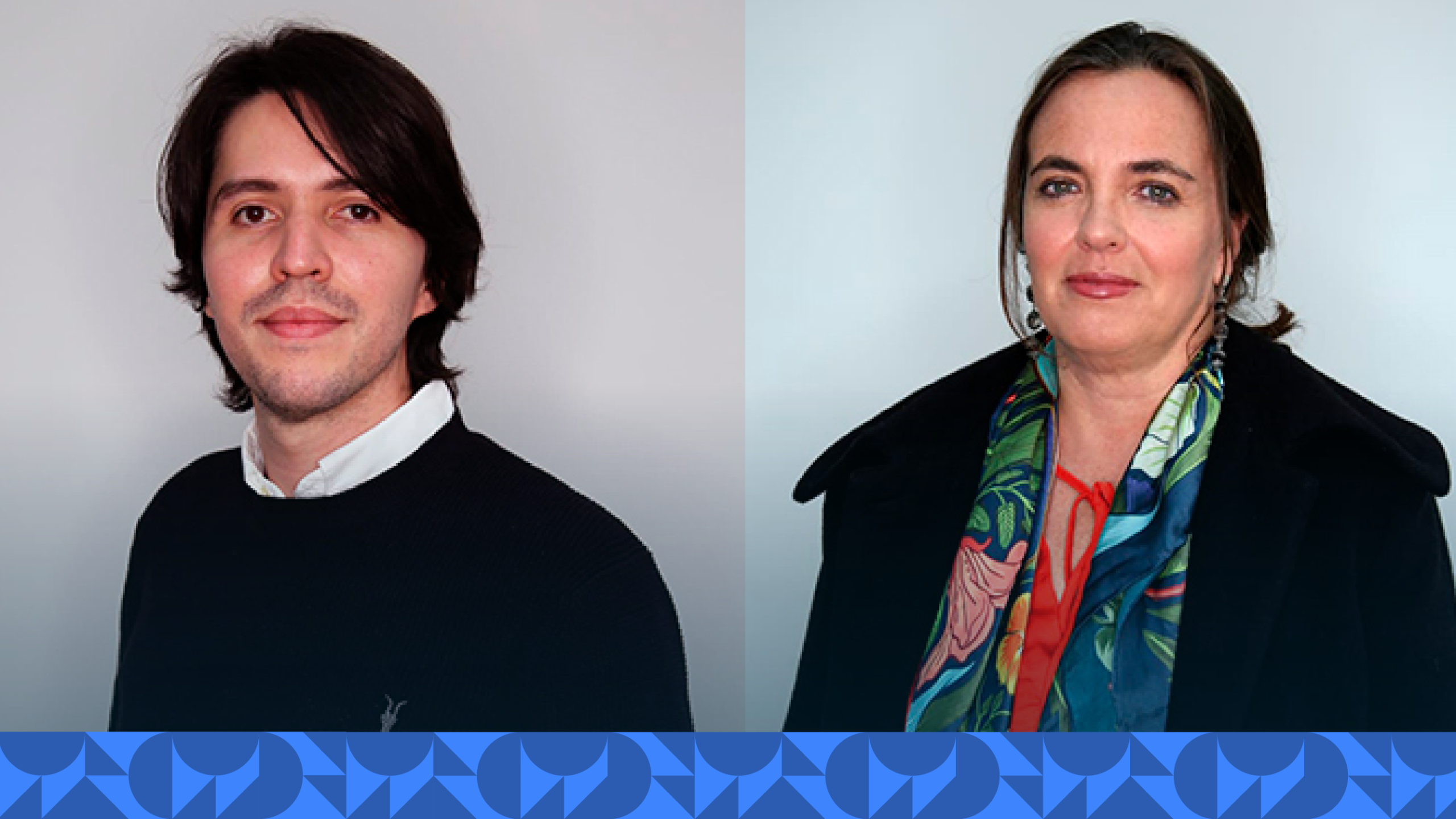
For Francisco "Paco" Ramos, Vice President of Content for Latin America at Netflix, the project also demonstrates how the perception of Colombia's capacity to develop productions of this scale has changed:
"When in March 2019 we announced the agreement with the family of Gabriel García Márquez, many people said it was impossible to adapt this work. Six years later, Colombian talent has shown that it was possible to carry out a project of the scope, vision, and dimension of One Hundred Years of Solitude. Let no one ever tell us again that there are dreams or projects impossible to realize in Latin America or Colombia when we bet on our talent. At Netflix, we will continue to bet on Colombia, as we have done with One Hundred Years of Solitude.”
Behind a production of this scale, there is also an ecosystem that has been strengthened in recent years thanks to tools like the Transferable Tax Credit (CINA), an incentive from Law 1556 of 2012 that grants a transferable tax credit equivalent to 35% of the expenditure made in Colombia on audiovisual and logistical services for qualified international productions. In projects like One Hundred Years of Solitude, this incentive has contributed to attracting international investment, boosting the growth of supplier companies, and expanding the experience of Colombian teams in technical and creative processes of great complexity.
Laura Mora considers that one of the main legacies of the series lies in the learning it left for those who participated in the production:
“The first season was a school for everyone. Many of us had never shot in a backlot and we learned as we went. In this second one, we did things that many had never done before and we learned trades that were unknown to many. The level of detail, transformation, and care that was achieved is exceptional.”
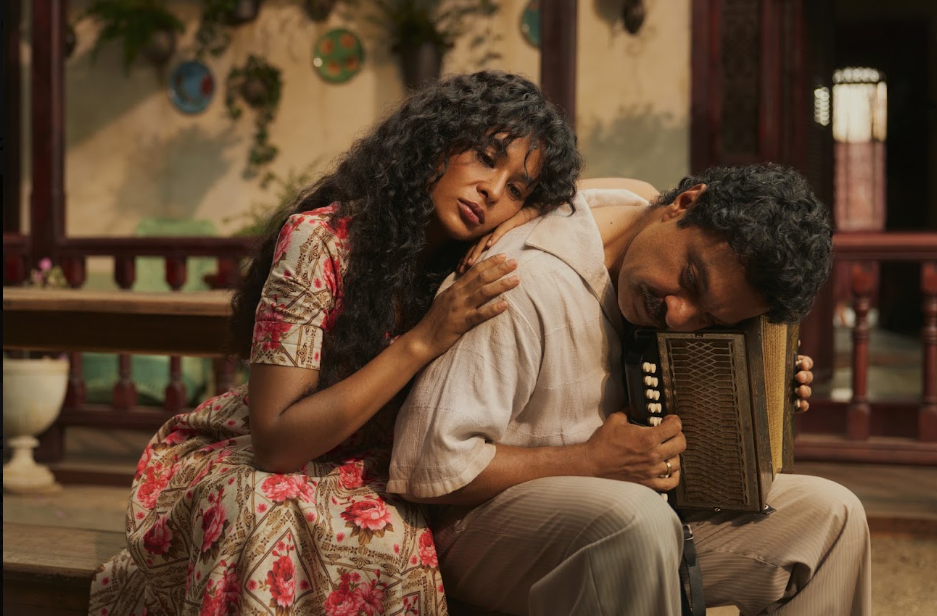
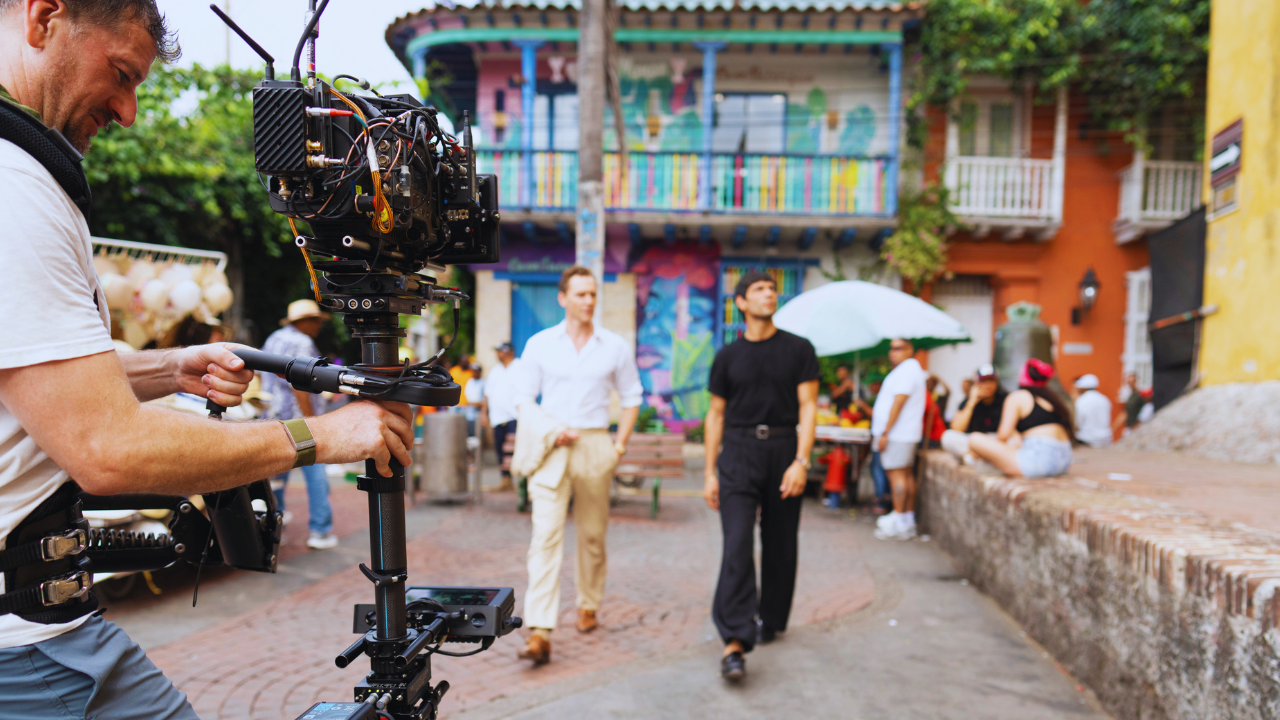
That learning curve is also reflected in the logistical growth of the production. While the first part had a direct technical team of 571 people, the second increased that figure to 605. In moments of peak activity, including construction personnel, nearly 1,160 people per day worked simultaneously, maintaining a virtually continuous operation for more than three years.
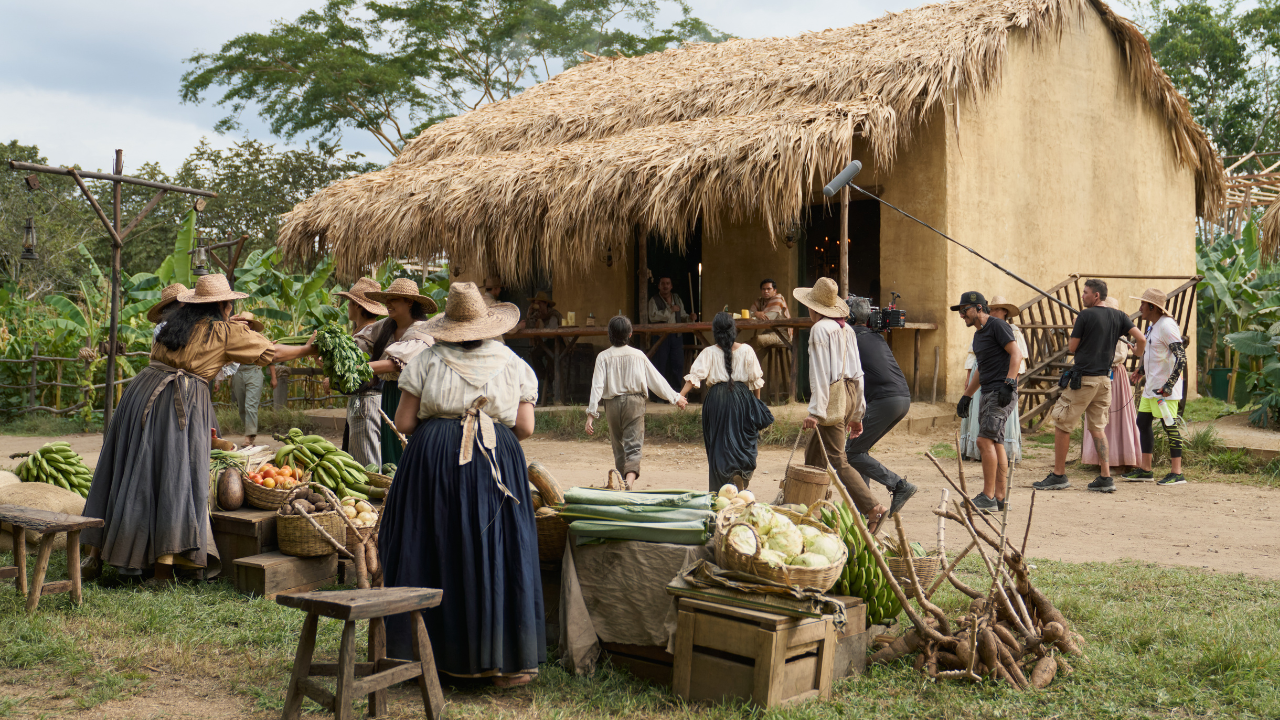
The scale of the project required expanding the infrastructure available in the country. In Alvarado, Tolima, a complex of approximately 560,000 square meters was developed, with more than 16,600 square meters built, where the team erected four different versions of Macondo to accompany the passage of time in the story. To this was added the construction of a functional train from scratch, sets to recreate the banana zones, and technical solutions ranging from physical effects to high-complexity visual effects.
For Carlos Moreno, one of the greatest achievements of the production is not only in the final result, but in having demonstrated that the Colombian audiovisual sector reached a level of maturity that a few years ago seemed hard to imagine.
“A few years ago it was difficult to imagine that a production like One Hundred Years of Solitude could be made in Colombia. This project demonstrates the path that the audiovisual industry has traveled and the confidence that today exists in the country's talent. There is a great technical and professional capacity; today our teams can take on productions of this scale and that did not happen many years ago.”
That growth is also evidenced in the impact on the industry's value chain. Throughout the project, 48 Colombian supplier companies participated, while areas such as art, construction, special effects, visual effects, landscaping, sound, makeup, props, and costume design developed unprecedented processes to respond to the demands of an international standard production.
One of the clearest examples was the costume department, where nearly 30,000 garments were made, using 95% Colombian textiles. At the same time, the greens team planted 18,915 plants to build and transform the landscapes of Macondo, while the soundtrack mobilized nearly 100 musicians, incorporating sound recordings captured in different regions of the country to build a unique identity away from stereotypes.
The project also expanded opportunities for local performers and communities. The casting process evaluated around 13,000 people between both parts of the series. For this second season, 78 professional actors and 67 natural actors participated, in addition to generating 12,695 jobs for extras and specialists called by shifts, many of them from the regions where the filming took place.
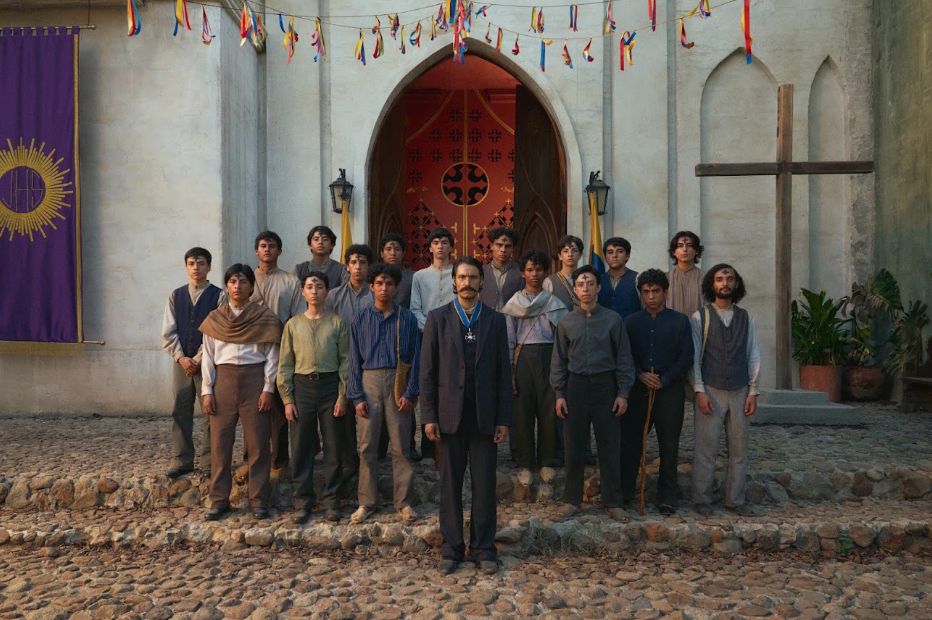
Beyond the numbers, the experience left a knowledge that will remain in the industry. Specialized departments acquired new working methodologies, incorporated technologies, and developed processes that today form part of the capabilities of the Colombian audiovisual sector. This evolution is already starting to gain international recognition. The work of the production design team has received nominations in reference organizations for the industry such as the Art Directors Guild, the set decorators guild, and the location managers guild in Hollywood, reflecting the level reached by Colombian professionals. This technical and operational solidity is not only reflected in international recognition, but has served as a basis for an artistic power that today defines our industry, as Laura Mora points out:
“There is an enormous artistic power. We can be at the level of any production, but we also have the humility to learn from the best and, with that knowledge, build something of our own. Production design, photography, costume design, makeup, and prosthetics have taken everything to another level. We have aged characters so believably that it is shocking. You see Marleyda as a 104-year-old woman and you can't believe it's the same actress we met at the beginning of the story.” - Laura Mora
A vision shared by Carlos Moreno, who highlights that the development of public policies for the audiovisual sector has been decisive for a new generation of filmmakers and technicians to take on projects of this magnitude.
“A few years ago it was difficult to imagine that a production like One Hundred Years of Solitude could be made here. There is no doubt that in Colombia there is great technical capacity and a very high professional level. Today we could go and make a movie without any problem. That didn't happen many years ago.”
With the second season of One Hundred Years of Solitude, Colombia reaffirms that the development of a competitive audiovisual industry does not depend solely on attracting large productions, but on turning each project into an opportunity to strengthen talent, consolidate local companies, and expand the sector's capabilities. In that path, incentives such as the CINA continue to play a fundamental role in attracting international investment, generating employment, and projecting the country as a destination prepared to develop global-scale audiovisual productions.